Work vehicles have a harder life than private cars and a completely different set of problems — tools visible in the back of a dual cab, six hours a day of sun through the side glass, and a cabin that hits oven temperature by lunchtime in a Bathurst summer.
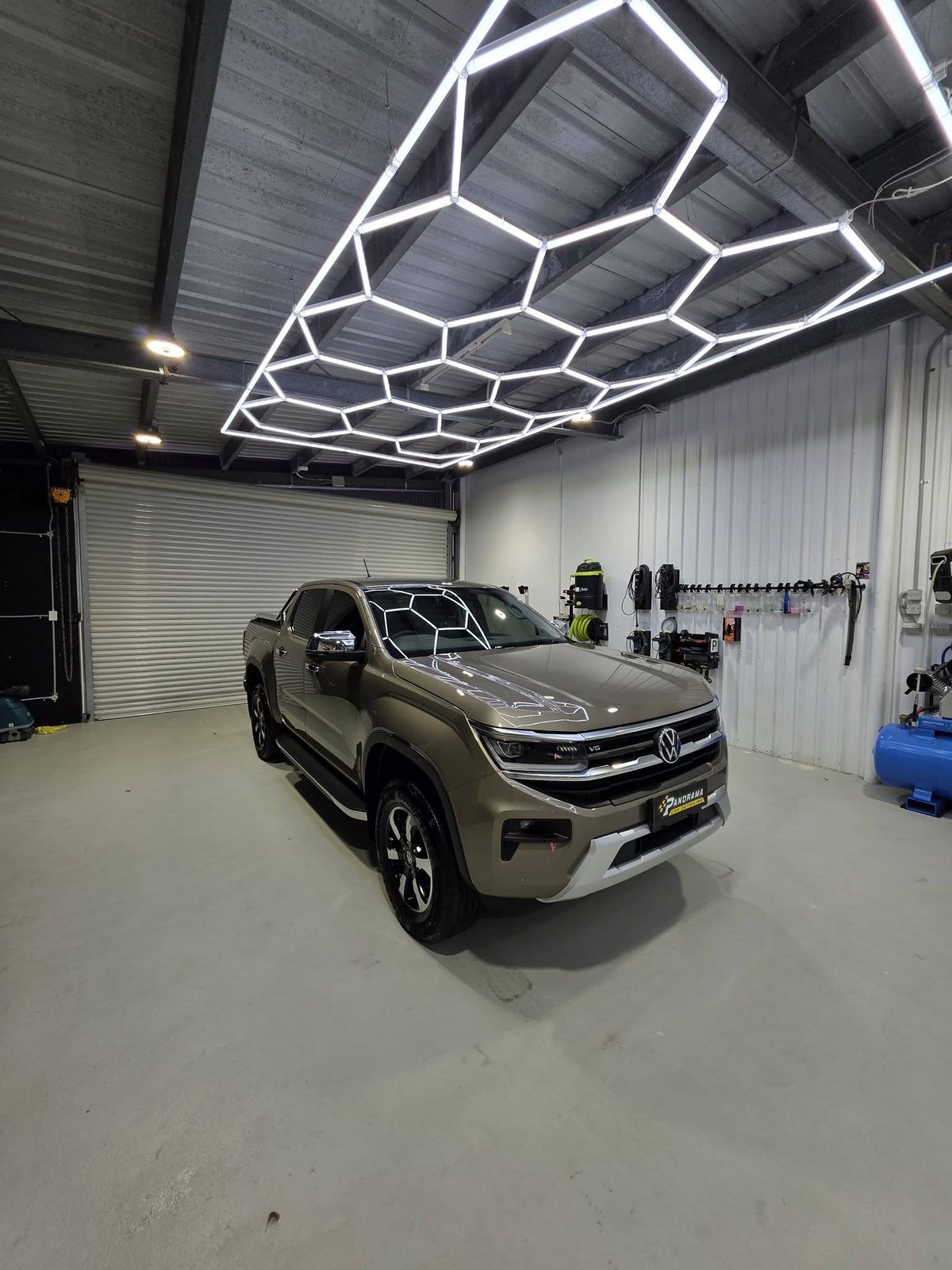
Panorama Car Detailing tints commercial vehicles across Bathurst and the Central West, from single utes through to full fleets. We know the NSW rules, including the ones that work in your favour on goods vehicles, and we schedule around your operation so vehicles are not sitting idle when they should be earning.
This is the part most operators do not know, and it is worth real money.
Window tinting in NSW is governed by rule 44 of the Light Vehicle Standards Rules. For an ordinary passenger car, the limits are a minimum of 35% VLT on the front side windows and a minimum of 20% VLT on everything behind the driver, with the windscreen limited to a strip across the top.
Goods vehicles are treated differently. Under rule 44(6B), a vehicle built mainly to carry goods, fitted with a rear-vision mirror on each side and running at least four wheels, has no VLT minimum at all behind the driver. That means a ute, van or light truck can legally run fully blacked-out rear glass where a passenger car is capped at 20%.
First, the front side windows stay at 35% VLT regardless of vehicle type, so no commercial vehicle gets darker front doors. Second, the exemption follows the vehicle's classification, not its shape, so it covers utes and vans but does not extend to SUVs or passenger wagons even when they are used for work. Check what the registration papers actually say, and we will check with you before we quote.
One more detail that catches people out: the limit applies to the finished window, glass and film combined. Factory privacy glass already sits well below clear, so a film that is legal on plain glass can push a privacy-glazed window out of compliance. We measure with a VLT meter rather than guessing.
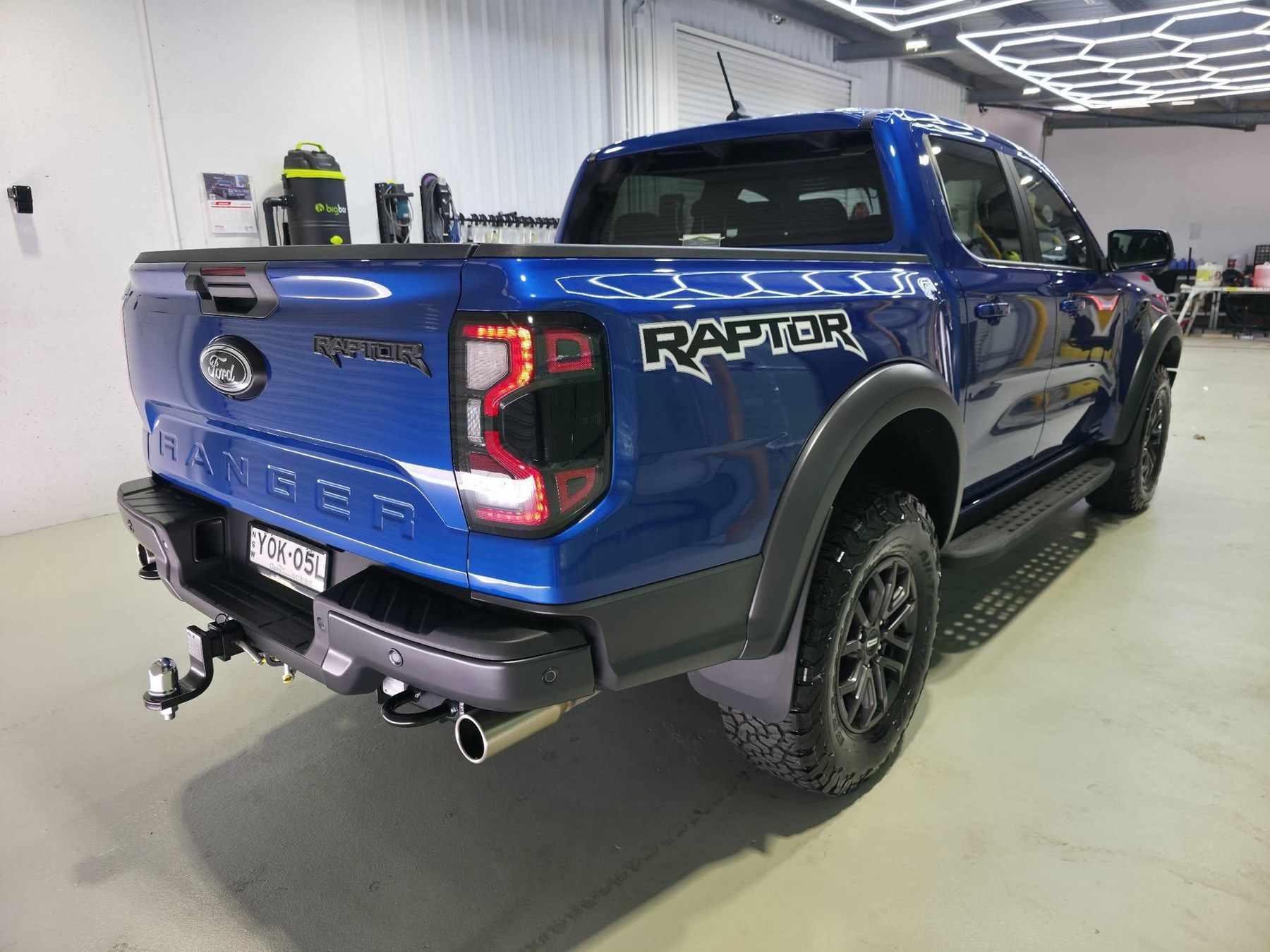
Security. The strongest argument for most trades. Blacked-out rear glass on a ute canopy or van means tools, stock and equipment are not advertised to anyone walking past the job site or the motel car park overnight. It will not stop a determined thief, but the overwhelming majority of tool theft is opportunistic, and opportunity starts with being able to see what is in there.
Driver heat and comfort. A tinted cabin is measurably cooler to get into and faster to bring down to temperature. That is less air conditioning load, less fuel burned idling to cool a cab, and a driver who is not starting the afternoon already worn out.
Sun exposure. Drivers accumulate a lot of UV through the driver's side glass over a working life, and ordinary side glass blocks far less of it than most people assume. Quality film blocks the large majority of UV while staying within the 35% VLT limit on the front doors.
Interior life. Dashboards, seats and trim fade, crack and fall apart under constant UV. Tinting slows that down, which matters when the vehicle has to present well at handback or resale.
Presentation. A fleet with consistent, well-fitted tint simply looks more professional pulling into a client's site, particularly alongside signage and branding.
The best performer and what we recommend for anyone spending real time in the vehicle. Rejects a high proportion of infrared heat without needing to be dark, and contains no metal, so it will not interfere with GPS, telematics, UHF, keyless entry or mobile signal.
A solid middle option. Good heat rejection, no metal content so no signal interference, a stable matte-black appearance that does not purple off over time, and a lower price than ceramic.
Strong heat rejection and very durable, but the metal layer can interfere with GPS, telematics and radio reception. We generally steer fleet customers away from it for that reason.
The budget option. It is what most cheap tint jobs use. Fades to purple, bubbles with age and offers limited heat rejection. We do not recommend it for vehicles you intend to keep.
Reflective and mirrored films are not permitted on vehicles in NSW, and nor are coloured films, regardless of how much light they let through.
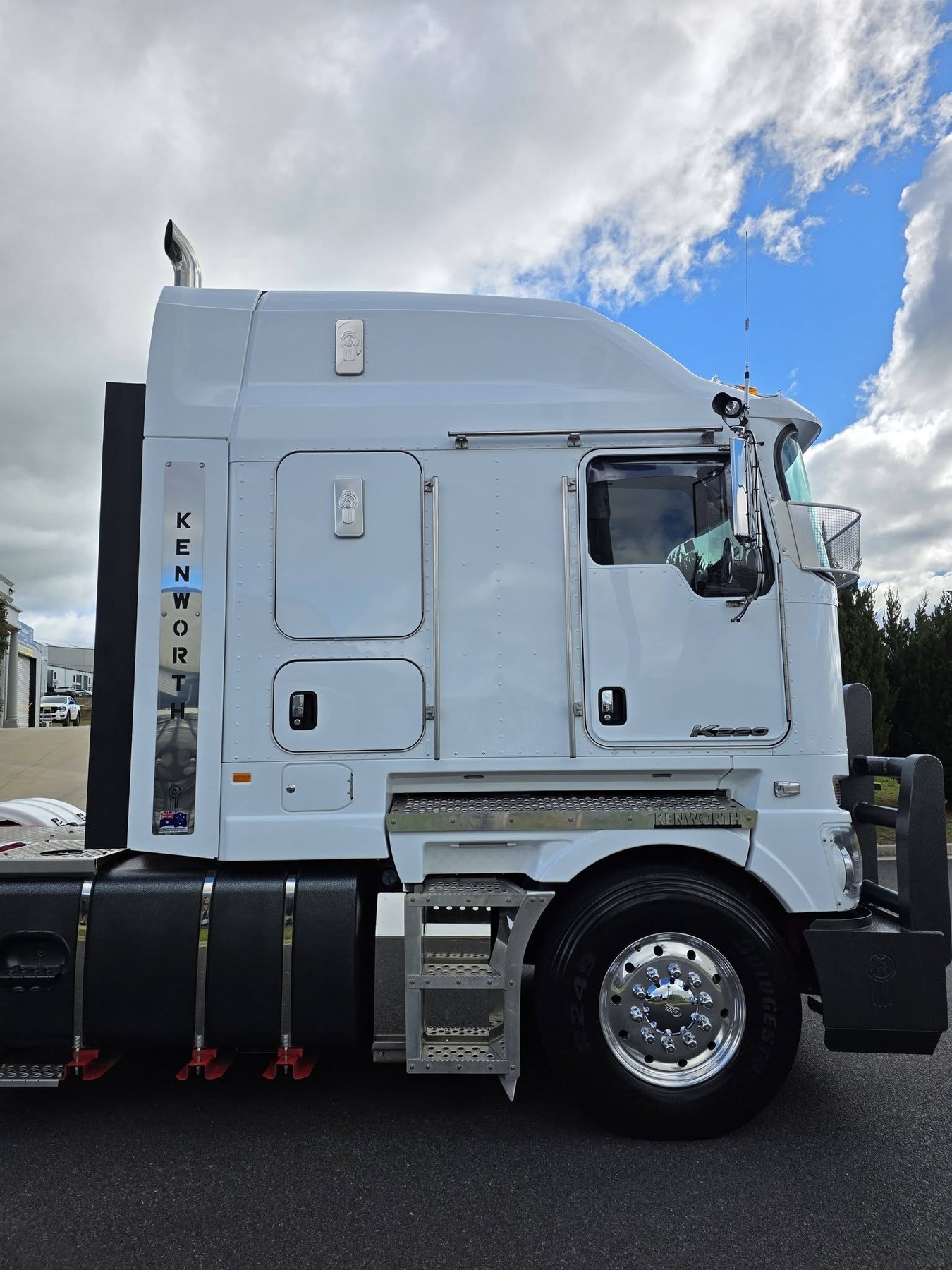
Downtime is the real cost of tinting a fleet, not the film. So we work around it. We can stage vehicles in batches so you are never short on the road, take them early and return them the same day, or run through a group over consecutive days on a schedule you set.
Every vehicle gets the glass properly prepared before any film goes near it. Tint failure is almost always a contamination problem, not a film problem: dust or adhesive residue left on the glass becomes a bubble three months later. We clean, scrape and squeegee properly, and the film is computer-cut to the vehicle's pattern rather than hand-trimmed on the glass, which means no blade marks on your demister lines.
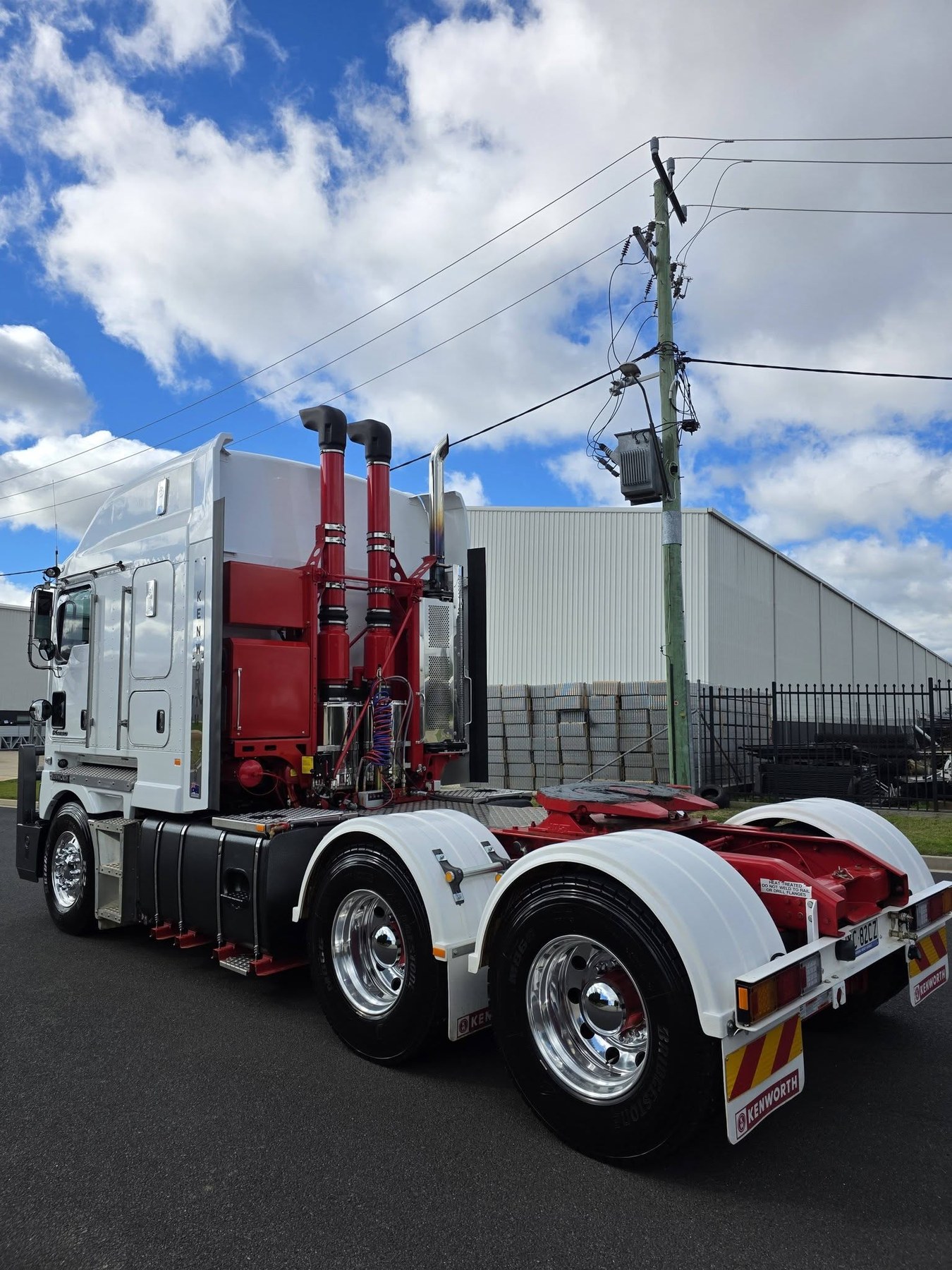
Fleet pricing is per vehicle and scales with volume. Ask us for a schedule covering your whole fleet and we will quote the lot.
Since the vehicle is already with us, it is the efficient moment to look at a Kovalent ceramic coating on the paintwork, or Kovalent Glass on the windscreen for wet-weather visibility on the highway. Fleet vehicles that get coated stay presentable much longer between washes, which cuts your ongoing cleaning cost.
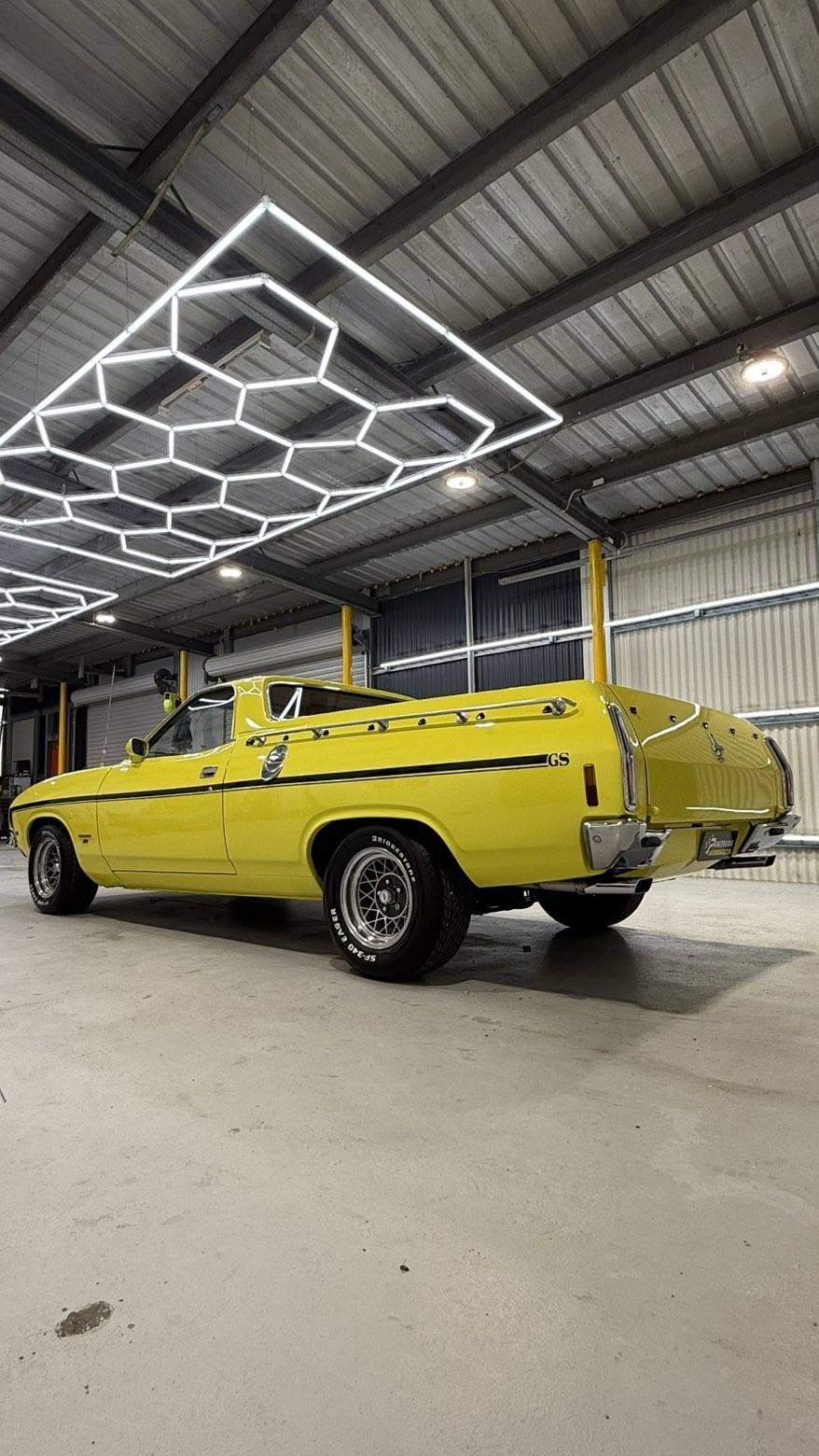
Tell us how many vehicles, what they are and whether they are registered as goods vehicles, and we will come back with a per-vehicle price and a schedule that keeps your operation moving.
Serving Bathurst, Kelso, Orange, Blayney, Lithgow, Oberon and the Central West.
Window tint rules referenced above are drawn from rule 44 of Schedule 2 (Light Vehicle Standards Rules) of the Road Transport (Vehicle Registration) Regulation 2017 (NSW), correct as at October 2026. Requirements can change — we confirm current rules with Transport for NSW before every job.
Front side windows must stay at 35% VLT or lighter on every vehicle. Behind the driver, a goods vehicle with mirrors on both sides and at least four wheels has no VLT minimum under rule 44(6B), so the rear can legally go as dark as you want. These requirements were correct as at October 2026; we confirm current rules before every job.
No. The exemption applies to vehicles built mainly to carry goods. An SUV or passenger wagon stays on the passenger vehicle limits even if you use it entirely for work. We check the registration classification before quoting.
Only metallised film carries that risk. Ceramic and carbon films contain no metal and will not affect GPS, telematics, UHF, keyless entry or mobile reception. For fleets running tracking, we fit ceramic or carbon.
Most utes and vans are a few hours. The film then needs curing time before the windows can be wound down, and we will tell you how long for the conditions on the day. For fleets we schedule in batches so you keep vehicles on the road.
Yes. Window film goes on the inside of the glass, so exterior vehicle graphics are unaffected. If you have perforated one-way vision film on the glass already, talk to us first so we can assess it.
Yes. Pricing is per vehicle and scales with volume. Send through your fleet list and we will quote the whole schedule.
Kovalent ceramic coating keeps fleet paint presentable far longer between washes.
Car DetailingFull interior and exterior detailing for your fleet vehicles alongside tinting.
Pre-SaleHanding back a lease vehicle or selling off old fleet stock? Get it presentation-ready first.
Get in touch with Panorama Car Detailing for an upfront, per-vehicle quote on commercial window tinting — no pressure, just NSW-compliant film fitted properly.